Микрофибра vs Хлопок: Плюсы, Минусы и Лучшие Применения | LIXIAN SHAOHUA
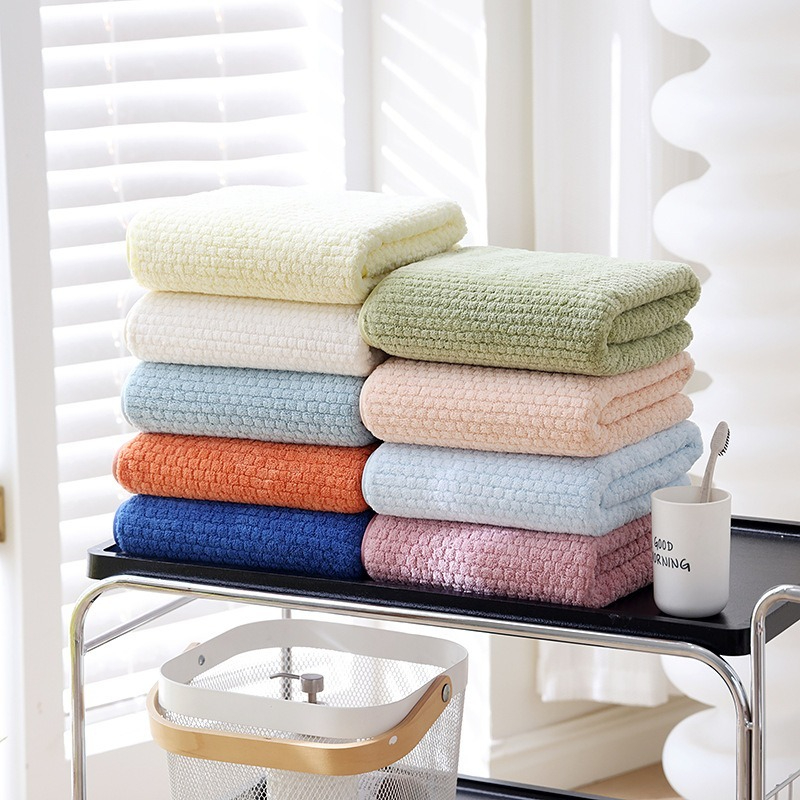
Microfiber vs Cotton Towels: Pros, Cons, and Best Use Cases
TL;DR — Microfiber and cotton are the two dominant towel materials, and each wins on different dimensions. Microfiber absorbs up to 4× its weight in water, dries quickly, costs less, and dominates car-care, gym, kitchen, and travel programs. Cotton is more absorbent per square centimeter, feels softer on skin, is biodegradable, and dominates bath, spa, hotel, and baby programs. The choice comes down to use case, climate, and target market. Below is a side-by-side comparison and product picks from LIXIAN SHAOHUA's catalog.
Why material choice matters for wholesale towels
Buyers often pick towel material based on habit rather than use case. A gym program that stocks 100% cotton towels pays more in laundry time, energy, and replacement cost than a microfiber equivalent. A spa program that stocks microfiber loses the soft, plush hand-feel customers expect. Matching material to program is the difference between a one-time purchase and a multi-season wholesale relationship.
LIXIAN SHAOHUA produces both microfiber and cotton-blend towels on its 6 weaving and knitting lines at the 40,000 m² Hebei site. Annual capacity is around 130 million finished towels, split across bath, hand, face, beach, gym, kitchen, and specialty categories. The table below summarizes how microfiber and cotton compare on the dimensions wholesale buyers care about.
Microfiber vs cotton — feature comparison
| Feature | Microfiber | Cotton |
|---|---|---|
| Absorbency | Up to 4× weight | ~1× weight, slower release |
| Dry time | Fast | Slow |
| Softness | Silky plush | Natural soft, plush |
| Durability | 500+ washes | 300–500 washes |
| Eco profile | Synthetic (PET-based) | Biodegradable, renewable |
| Cost per piece | Lower | Higher (especially organic) |
| Best for | Car, gym, kitchen, beach, travel | Bath, spa, hotel, baby |
| Care | No fabric softener | Avoid high heat |
Where microfiber wins
Microfiber is split microfiber polyester (often polyamide blends), typically 0.5–1.5 denier per filament, woven or knitted into a fabric with a very high surface area. The result is a towel that absorbs up to 4× its weight in water, releases it on wringing, and dries in roughly half the time of a comparable cotton towel. Microfiber is lint-free, which makes it the default choice for car care and electronics cleaning.
The microfiber car wash towel at 300 GSM (40×40 cm) is a typical example — it absorbs several times its weight in water, leaves no lint on paintwork, and survives 500+ wash cycles when washed without fabric softener. For beach and travel, lightweight microfiber at 200–280 GSM packs small and dries overnight in humid climates.
Where to use microfiber
- Car wash and detailing — lint-free drying
- Gym and sport — quick-dry between sessions
- Kitchen and cleaning — high absorbency per gram
- Beach and travel — packable, sand-resistant
- Cooling towels — evaporative design needs microfiber base
Where cotton wins
Cotton — especially combed, ring-spun, or organic cotton — has a natural softness and absorbency that microfiber cannot fully replicate. A 500 GSM cotton bath towel feels plush against the skin and absorbs gradually, which is what bathers expect. Cotton is also biodegradable and renewable, which makes it the default for eco-conscious retail and hotel programs.
The 7A antibacterial towel at 350 GSM uses a cotton-blend face with antibacterial finishing — popular for hotel and spa programs where hand-feel and hygiene both matter. For spa and baby programs, GOTS-certified organic cotton is the premium option.
Where to use cotton
- Bath towels — plush hand-feel, hotel programs
- Spa and wellness — natural fiber, premium feel
- Baby and kids — soft, OEKO-TEX Class I, no synthetics
- Hotel and hospitality — premium presentation
- Organic retail — GOTS certified
Microfiber and cotton blends
Many wholesale towels sit in the middle: a cotton face with microfiber backing, or a microfiber / cotton blend woven together. Blends offer the absorbency of cotton with the quick-dry and durability benefits of microfiber, at a cost between the two. LIXIAN SHAOHUA offers several blend constructions, typically in 350–460 GSM, suitable for bath and beach programs that want a balance of hand-feel and performance.
Cost and eco considerations
Microfiber towels cost roughly 30–50% less per piece than comparable cotton towels. Cotton's premium grows when GOTS organic certification is added — expect 15–25% above standard cotton. On eco profile, cotton is renewable and biodegradable; microfiber is synthetic (PET-based) and sheds microfibers during washing. Microfiber's durability partially offsets its eco impact because it lasts longer per use. Buyers in EU eco programs often default to cotton or GOTS organic; buyers in car-care and gym programs default to microfiber.
Internal references and product picks
LIXIAN SHAOHUA stocks both materials at OEM MOQ 100 pieces per design:
- Microfiber Car Wash Towel — 300 GSM microfiber, 40×40 cm
- 7A Antibacterial Towel — 350 GSM cotton-blend, OEKO-TEX
- Beach Towel — 200 GSM microfiber, 70×140 cm
- Cooling Towel — 161 GSM microfiber, 30×80 cm
See the full microfiber category or bath towel category for the complete SKU list.
Frequently Asked Questions
Is microfiber safe for face and skin?
Yes, when OEKO-TEX Standard 100 certified. LIXIAN SHAOHUA's microfiber towels ship with OEKO-TEX certification by default. Avoid fabric softener in the wash because it coats the microfibers and reduces absorbency.
Is cotton better for baby towels?
Yes. Cotton is softer, more breathable, and biodegradable. For baby products, OEKO-TEX Standard 100 Class I is the relevant certification, and FDA / CPSIA compliance is required for the US market. GOTS organic cotton is the premium option.
Which is more eco-friendly — microfiber or cotton?
Cotton is renewable and biodegradable. Microfiber is synthetic and sheds microfibers during washing. However, microfiber's longer lifespan (500+ vs 300–500 washes) and lower per-use energy cost partially offset its impact. For maximum eco profile, choose GOTS-certified organic cotton.
Which absorbs more water — microfiber or cotton?
Microfiber absorbs up to 4× its weight in water and releases it on wringing. Cotton absorbs roughly 1× its weight but releases more gradually. For tasks that need quick pickup (car drying, gym), microfiber wins. For tasks that need gradual absorbency (bath, hair), cotton is preferred.
Which is better for gym towels?
Microfiber is better for gym towels because it packs small, dries fast between sessions, and survives frequent washing. Cotton gym towels feel more substantial but stay damp longer and add weight to a gym bag.
Can I get a blend of microfiber and cotton?
Yes. Blends are common in 350–460 GSM bath and beach towels, combining the plush hand-feel of cotton with the quick-dry and durability of microfiber. LIXIAN SHAOHUA offers blend constructions on request with MOQ 1,000 pieces per design.
Next step — pick the right material for your program
Send your target category, material preference, GSM, and quantity to the LIXIAN SHAOHUA sales team. We respond with sample plans, OEM pricing, and matching certifications within 12 hours. Request a quote or browse the full towel catalog.
هل تريد التحدث مع المبيعات؟
تجاوز صندوق التعليقات — تواصل مباشرة في نقرة واحدة.
← كل الأخبار
التعليقات والنقاش
لديك أسئلة حول هذا الخبر؟ اترك رسالة أو تواصل مباشرة مع فريقنا.